RESEARCH · BRAIN TUMOR IMMUNOLOGY
RESEARCH · BRAIN TUMOR IMMUNOLOGY
Three connected questions about T cells in brain tumors.
Three connected questions about T cells in brain tumors.
The lab decodes the immune dialogue to see which T cell clones recognize the tumor, explores how they survive the microenvironment when they get there, and designs next-generation therapies to expand the target space. Each theme below features real data from our papers and the citations that back it.
The lab decodes the immune dialogue to see which T cell clones recognize the tumor, explores how they survive the microenvironment when they get there, and designs next-generation therapies to expand the target space. Each theme below features real data from our papers and the citations that back it.
RESEARCH / THEME 1
RESEARCH / THEME 1
Decoding the immune dialogue
Decoding the immune dialogue
Brain tumors remain among the most lethal malignancies due to their ability to evade the immune system. The primary barrier to durable immunotherapy is not whether T cells can infiltrate the brain, but whether those present can recognize critical antigens and remain functional over time.
Brain tumors remain among the most lethal malignancies due to their ability to evade the immune system. The primary barrier to durable immunotherapy is not whether T cells can infiltrate the brain, but whether those present can recognize critical antigens and remain functional over time.
Our group leverages high-throughput and single-cell technologies to decode this complex immune landscape. By mapping the antigen-specific T cell repertoire across distinct tumor regions, peripheral blood, and post-therapy timepoints, we aim to precisely quantify which T cell clones expand, persist, and ultimately predict successful therapeutic responses.
Our group leverages high-throughput and single-cell technologies to decode this complex immune landscape. By mapping the antigen-specific T cell repertoire across distinct tumor regions, peripheral blood, and post-therapy timepoints, we aim to precisely quantify which T cell clones expand, persist, and ultimately predict successful therapeutic responses.
In a deep collaboration with colleagues at the Hebrew University and the University of Pittsburgh, as well as clinical teams at the Shaare Zedek Hospital, we blend computational pipelines with multi-center cohorts to build high-resolution maps of immune evasion. We are actively recruiting computational students for this next phase.
In a deep collaboration with colleagues at the Hebrew University and the University of Pittsburgh, as well as clinical teams at the Shaare Zedek Hospital, we blend computational pipelines with multi-center cohorts to build high-resolution maps of immune evasion. We are actively recruiting computational students for this next phase.
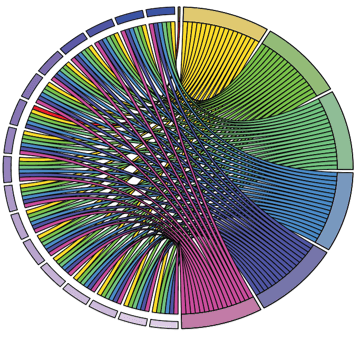
Figure adapted from Raphael I. et al., The T cell receptor landscape of childhood brain tumors. Sci. Transl. Med. (2025). T cell clonal expansion-activation gene network visualized as a circos plot of clonotype overlap.
Figure adapted from Raphael I. et al., The T cell receptor landscape of childhood brain tumors. Sci. Transl. Med. (2025). T cell clonal expansion-activation gene network visualized as a circos plot of clonotype overlap.
KEY PUBLICATIONS
KEY PUBLICATIONS
RESEARCH / THEME 2
RESEARCH / THEME 2
Reprogramming the tumor-immune niche
Reprogramming the tumor-immune niche
While immune checkpoint blockade has transformed the treatment of malignancies like melanoma and non-small-cell lung cancer, glioma remains resolutely resistant. The barrier is not necessarily a lack of targets, but how the extreme conditions of the glioma microenvironment actively re-educate infiltrating T cells, driving them from an anti-tumor state into a state of tolerance and exhaustion.
While immune checkpoint blockade has transformed the treatment of malignancies like melanoma and non-small-cell lung cancer, glioma remains resolutely resistant. The barrier is not necessarily a lack of targets, but how the extreme conditions of the glioma microenvironment actively re-educate infiltrating T cells, driving them from an anti-tumor state into a state of tolerance and exhaustion.
Our group investigates how this hostile tumor-immune niche dictates the success or failure of an immune response, focusing on targetable mechanisms of tumor evasion. Beyond checkpoint receptor expression, we study how the niche suppresses immunity through the downregulation of antigen-presentation machinery and MHC molecules, effectively hiding the tumor from T cell surveillance. By pairing single-cell phenotyping of fresh patient samples and matched circulating T cells with functional ex vivo assays, we dissect the metabolic constraints, cytokine contexts, and chronic antigen exposures that drive this loss of function.
Our group investigates how this hostile tumor-immune niche dictates the success or failure of an immune response, focusing on targetable mechanisms of tumor evasion. Beyond checkpoint receptor expression, we study how the niche suppresses immunity through the downregulation of antigen-presentation machinery and MHC molecules, effectively hiding the tumor from T cell surveillance. By pairing single-cell phenotyping of fresh patient samples and matched circulating T cells with functional ex vivo assays, we dissect the metabolic constraints, cytokine contexts, and chronic antigen exposures that drive this loss of function.
Ultimately, our goal is to identify the precise molecular switches that can reprogram this immunosuppressive niche and re-prime tumor-infiltrating T cells for clinical efficacy. We are seeking driven graduate students eager to bridge the gap between bench science and patient-centered discoveries to join this effort.
Ultimately, our goal is to identify the precise molecular switches that can reprogram this immunosuppressive niche and re-prime tumor-infiltrating T cells for clinical efficacy. We are seeking driven graduate students eager to bridge the gap between bench science and patient-centered discoveries to join this effort.
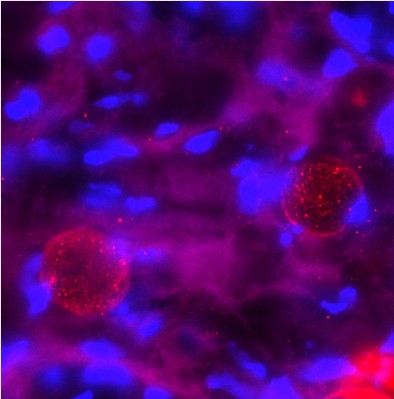
Single-cell phenotyping of T cells from glioma patient samples, capturing the receptor-expression patterns associated with the local re-priming environment.
Single-cell phenotyping of T cells from glioma patient samples, capturing the receptor-expression patterns associated with the local re-priming environment.
KEY PUBLICATIONS
KEY PUBLICATIONS
RESEARCH / THEME 3
RESEARCH / THEME 3
Designing next-generation therapies
Designing next-generation therapies
Overcoming the profound immunosuppressive microenvironment of glioblastoma requires rationally designed, multi-pronged therapeutic approaches. Our group focuses on translating mechanistic insights into next-generation immunotherapies, specifically developing TCR-engineered T cell platforms and vaccine strategies capable of driving robust tumor elimination.
Overcoming the profound immunosuppressive microenvironment of glioblastoma requires rationally designed, multi-pronged therapeutic approaches. Our group focuses on translating mechanistic insights into next-generation immunotherapies, specifically developing TCR-engineered T cell platforms and vaccine strategies capable of driving robust tumor elimination.
A key facet of this effort involves designing combinatorial regimens that pair immunotherapy with molecularly targeted therapies and novel agents designed to disrupt the hostile tumor microenvironment. To maximize the efficacy of these approaches, we investigate genetic and epigenetic engineering strategies to directly reprogram T cells, enhancing their persistence, metabolic fitness, and functionality within the tumor niche.
A key facet of this effort involves designing combinatorial regimens that pair immunotherapy with molecularly targeted therapies and novel agents designed to disrupt the hostile tumor microenvironment. To maximize the efficacy of these approaches, we investigate genetic and epigenetic engineering strategies to directly reprogram T cells, enhancing their persistence, metabolic fitness, and functionality within the tumor niche.
This highly translational work is propelled by close collaborative efforts across multiple institutions in Israel, including Bar-Ilan University and fellow faculty members here at the Hebrew University of Jerusalem. We welcome passionate researchers and collaborators driven to translate these next-generation paradigms into transformative clinical solutions.
This highly translational work is propelled by close collaborative efforts across multiple institutions in Israel, including Bar-Ilan University and fellow faculty members here at the Hebrew University of Jerusalem. We welcome passionate researchers and collaborators driven to translate these next-generation paradigms into transformative clinical solutions.
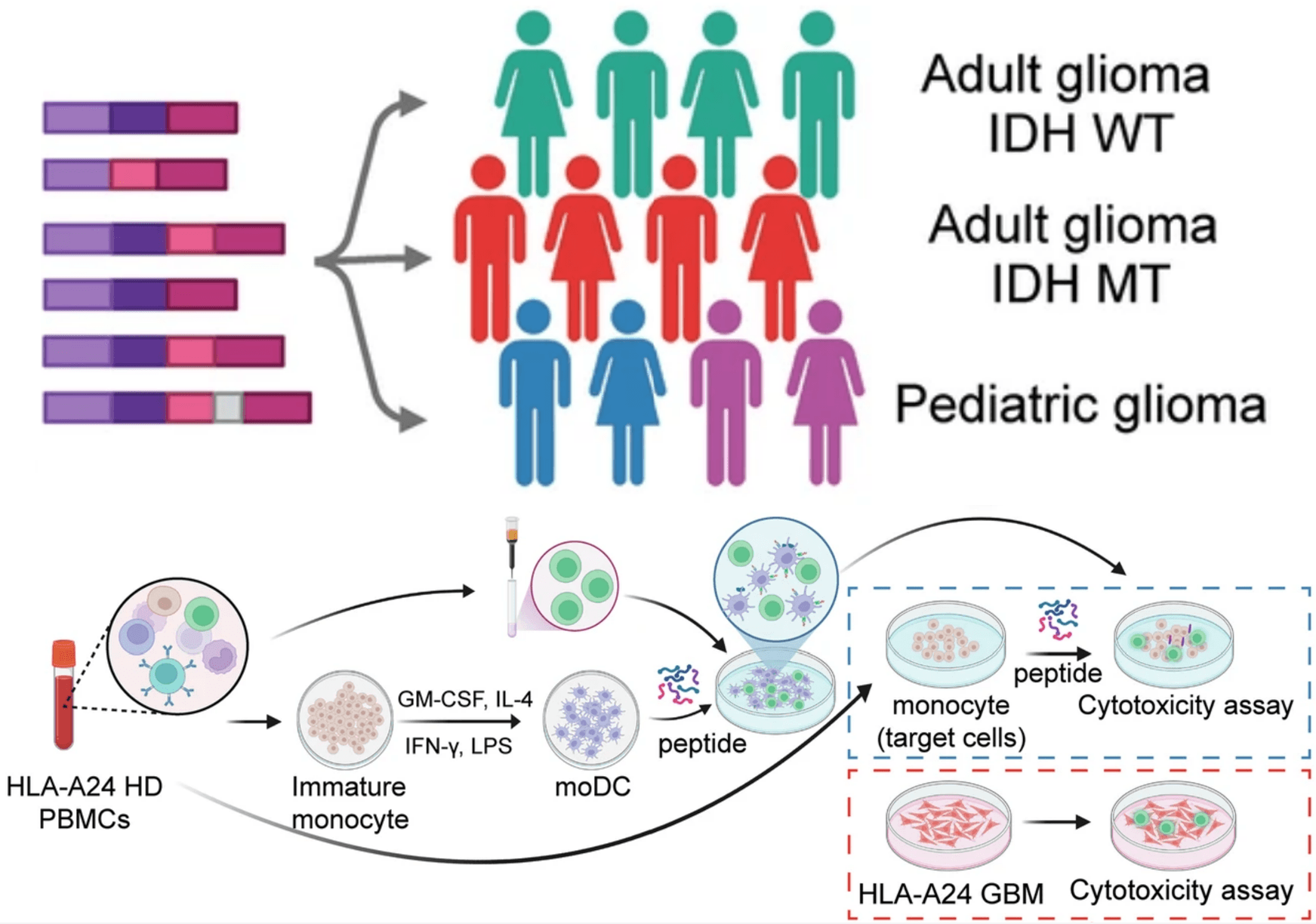
Figure adapted from Xiong Z., et al., C/EBPβ-induced alternative splicing of RCAN1 generates a potent TCR-T target in mesenchymal glioblastoma. Cell Mol Immunol. 2026. Schematic overview of malignancy-related isoform filtration across diverse glioma patient cohorts paired with functional ex vivo platforms.
Figure adapted from Xiong Z., et al., C/EBPβ-induced alternative splicing of RCAN1 generates a potent TCR-T target in mesenchymal glioblastoma. Cell Mol Immunol. 2026. Schematic overview of malignancy-related isoform filtration across diverse glioma patient cohorts paired with functional ex vivo platforms.
KEY PUBLICATIONS
KEY PUBLICATIONS